
Smart technology is absolutely everywhere. From the devices your carry around in your pocket and wear on your wrist all day, to the machinery you use in the gym, the tech in your office and the devices your children use at school, smart kit is revolutionising the way we live.
Advances in tech have changed the game for a lot of industries too. It’s not only helped businesses to adapt to changing landscapes but it’s helped them to grow and even flourish.
Here are a few examples of just some of the industries being positively affected and improved by smart technology.
Agriculture
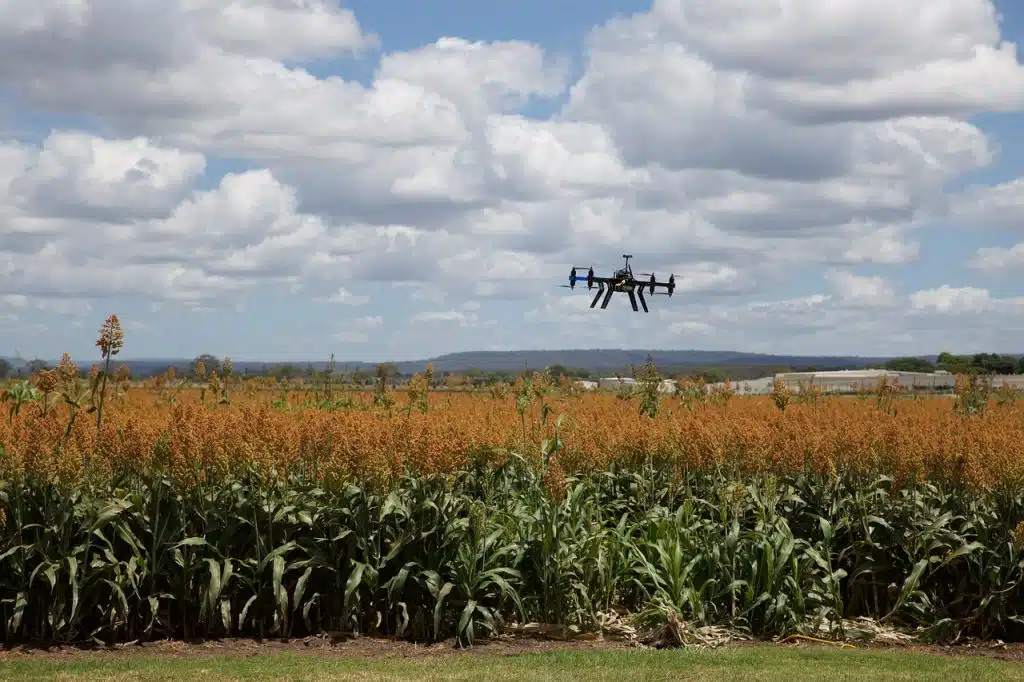
Agriculture has been around for thousands of years – and it’s changed a lot since then. Modern agriculture has embraced technology to improve productivity and yield, allowing farmers to grow and produce more from less.
While intensive farming methods have been widely criticised, smart farming solutions with an emphasis on sustainability have been embraced. Examples include smart automatic watering systems and soil fertilisation technology. Perhaps most importantly as a nod to the British weather, smart weather monitoring systems have also been integrated into areas of agriculture.
Transportation
Green transport has been welcomed across the country, with the likes of London adopting many different methods to help change commuting habits. From zero-emission taxis to electric buses, transport is starting to look very different. On top of changes to the vehicles themselves, traffic management and town planning have been utilised to manage congestion in busy city centres.
But the benefits aren’t just linked to environmental sustainability. Smart transportation also integrates efficiency and safety across our urban spaces. Cost-effectiveness is also at the heart of a good transportation system, getting people from A to B as efficiently as possible with minimal impact on the environment or on travellers’ wallets.
Water treatment
Perhaps not the most glamorous application of smart technology, but an extremely important one. Smart water treatment seeks to improve the sanity and quality of water so that it can be used by the population. Currently, water leakages and maintenance can cause complications when it comes to water treatment.
However, promising innovations are on the cards. This includes sewer-line routing, which uses sensors underneath manhole covers to communicate levels and measurements. Sensors can measure pH levels, temperature and water flow, amongst other measurements, that can inform advances in this sector. Smart leak detectors can also be used to prevent water loss.
Real estate
Exciting technologies like 3D printing have opened up opportunities in the world of construction and real estate. It’s already being used to trial a new eco-housing scheme in Lancashire and can be used in construction design processes to create prototypes to strengthen projects.
Smart technology is also being applied to how we use and repurpose space to address wasted space in urban areas in particular. There’s talk about the potential for designing spaces for mixed-use. An example includes the Lindt and Sprüngli factory in Kilchberg, which has been partly repurposed into a commercial complex as a way of modernising a building that has been around for over 100 years.
The Future is Smarter Still
We’re already seeing the benefits of smarter technology in many sectors. But the future’s smarter still. Technology is moving at a rate we could have only imagined 20 or 30 years ago. So we anticipate even more change across a multitude of industries in the years ahead.